Conversational Shopping in Ecommerce: What Brands Need to Know
Conversational shopping is changing how people discover products online. Instead of typing a few keywords and hoping for the best, shoppers can now ask questions, refine preferences, and get guided recommendations in a more natural way. For ecommerce brands, this shift matters because customers incr
Conversational shopping is changing how people discover products online. Instead of typing a few keywords and hoping for the best, shoppers can now ask questions, refine preferences, and get guided recommendations in a more natural way.
For ecommerce brands, this shift matters because customers increasingly expect stores to behave less like static catalogs and more like helpful assistants. When conversational shopping is done well, it reduces friction, improves product discovery, and helps shoppers move faster from browsing to buying.
What Conversational Shopping Means
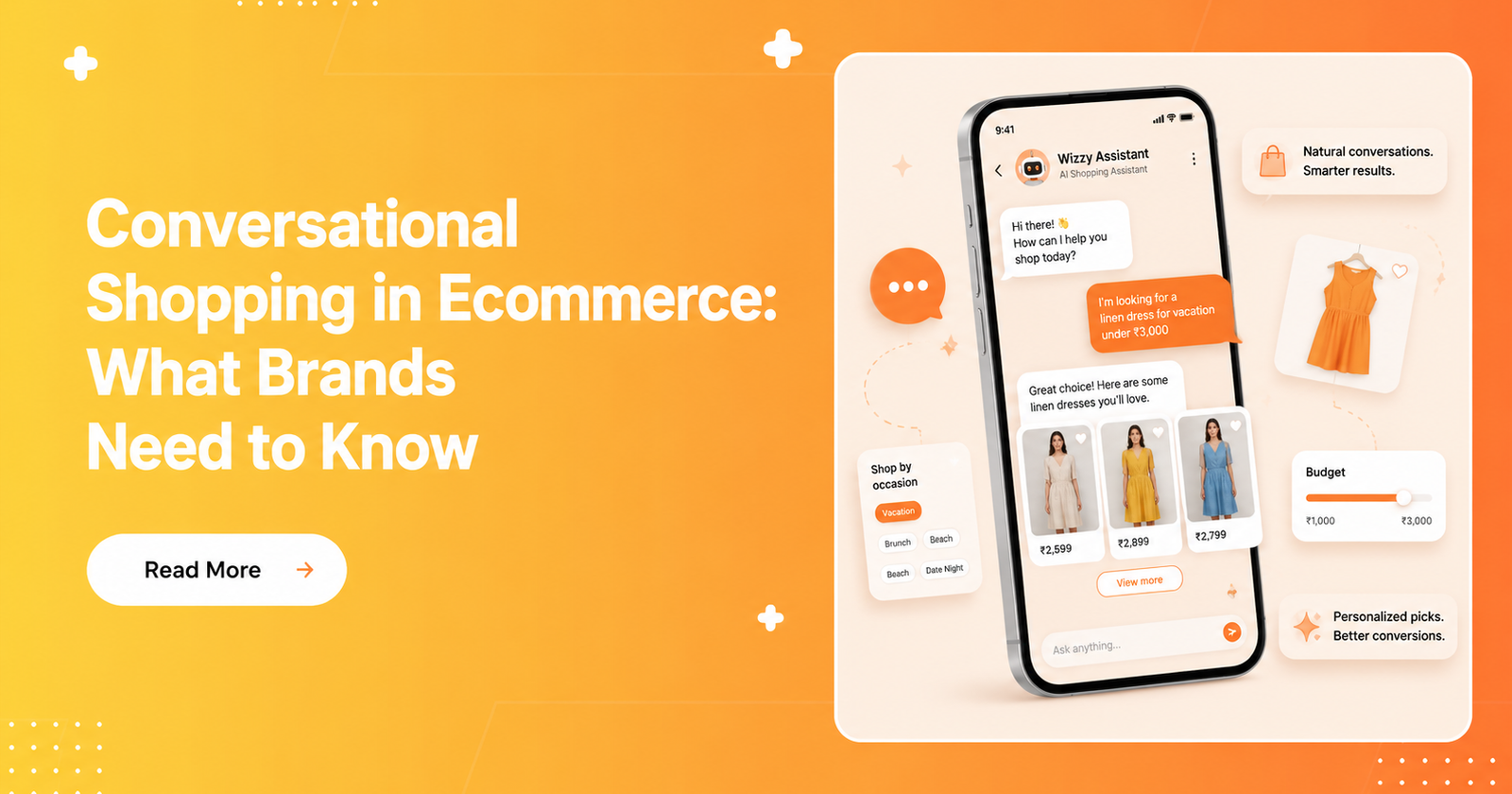
Conversational shopping is an ecommerce experience where shoppers interact with a store using natural language. They can ask things like “show me black dresses under 5000,” “what sneakers are good for running,” or “help me find a gift for my sister.”
Instead of forcing users to think in filters and category trees, the store understands intent and responds in a more human way. This can happen through a chat interface, a voice assistant, a guided search bar, or an AI shopping assistant layered into the storefront.
The core idea is simple: make shopping feel like a conversation rather than a search task.
Why It Matters for Ecommerce
Traditional ecommerce search works best when shoppers already know exactly what they want. But many people do not shop that way. They know the occasion, style, budget, or problem they want to solve, but not the exact product name.
That is where conversational shopping helps. It captures messy, incomplete, or exploratory intent and turns it into useful product recommendations.
This matters because better discovery usually leads to better conversion. If shoppers can describe what they want in their own words and get relevant answers quickly, they are more likely to stay engaged and buy.
How Shopper Behavior Is Changing
Online shopping behavior has become more fluid and less structured. People are used to interacting with AI tools, messaging apps, voice assistants, and recommendation engines. They do not always want to search through category pages one by one.
They want faster answers, less effort, and a more personal experience. They also want help when they are unsure what to buy.
Conversational shopping fits this behavior well because it supports questions, follow-ups, clarifications, and recommendations in the same flow. It gives brands a chance to guide the journey instead of waiting for the shopper to figure everything out alone.
The Main Benefits for Brands
Better product discovery
Conversational shopping helps customers find products they may not have been able to describe precisely in a keyword search. That is especially valuable in fashion, beauty, home, and gifting categories.
Higher engagement
When shoppers can ask questions and get instant responses, they tend to spend more time interacting with the store. That creates more opportunities to recommend products and move them closer to purchase.
Less friction
A conversation can be easier than navigating multiple category pages or filter menus. This is especially true on mobile, where typing and filtering can feel slow.
Better conversion
When shoppers get relevant help at the right time, they are less likely to abandon the session. That usually leads to stronger conversion rates.
Richer customer insight
Every conversation reveals something about what customers want, how they phrase requests, and where the store is helping or failing them. That data can improve merchandising, content, and product strategy.
What Makes Conversational Shopping Work
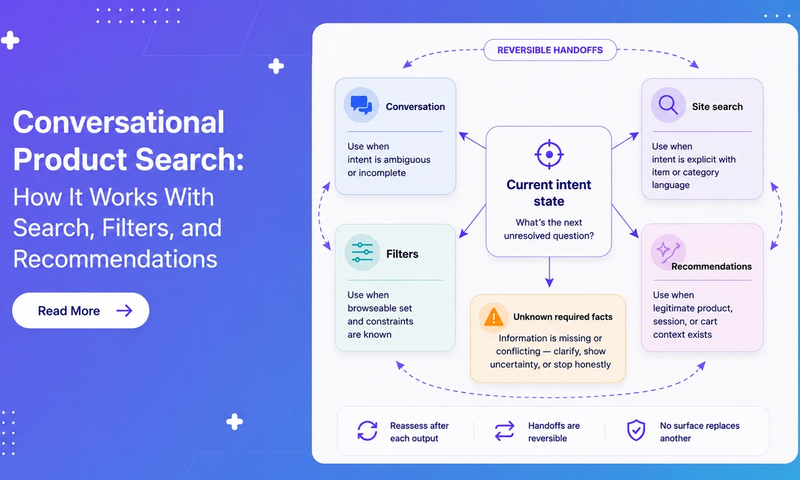
A good conversational shopping experience is not just a chatbot with product links. It needs to understand intent, ask follow-up questions, and surface the right products in a way that feels useful rather than mechanical.
There are a few things that matter most:
Intent understanding
The system must understand what the shopper is trying to do, not just the exact words they used. For example, “something for a beach wedding” is not a product name, but it is a very useful shopping intent.
Context awareness
The assistant should use context like category, price range, style preferences, previous behavior, or current browsing activity. That makes answers more relevant.
Follow-up logic
Shopping is often iterative. A user may start broad and then narrow down. The assistant should support that naturally by asking smart follow-up questions when needed.
Strong product data
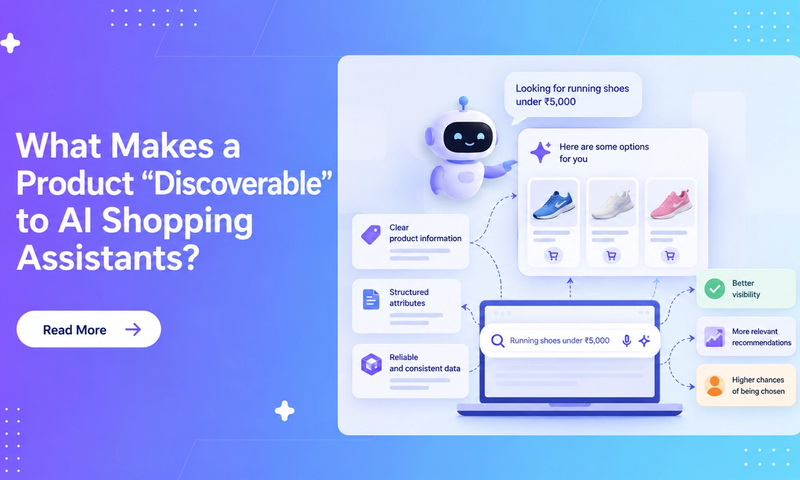
Conversational shopping only works well when product data is complete and accurate. If titles, attributes, tags, and descriptions are weak, the assistant will struggle to recommend relevant products.
Fast response
People expect quick answers. If the experience feels slow or delayed, the conversation loses momentum.
Where Conversational Shopping Works Best
Some categories are naturally better suited to conversational commerce than others.
Fashion
Shoppers often search by style, occasion, color, fit, or inspiration rather than exact product names. Conversational shopping helps translate vague requests into product options.
Beauty
People may ask for products based on skin type, concern, finish, shade, or routine. A conversational interface can guide them toward better choices.
Home and furniture
Shoppers may not know all the technical details they need. They may simply want a sofa that fits a room, a table for a certain style, or storage for a specific space.
Gifting
Gift buyers often need help narrowing by recipient, occasion, budget, and sentiment. Conversational shopping works very well here because the shopper usually has a goal, not a specific product.
Electronics
For electronics, conversational shopping is useful when customers are comparing features, trying to understand compatibility, or narrowing down technical choices.
How It Improves Product Discovery
Product discovery is often where ecommerce stores lose users. If a shopper cannot find a good starting point, they leave. Conversational shopping improves discovery by reducing the number of steps needed to reach a useful result.
Instead of browsing broad pages and guessing which filters matter, the shopper can simply say what they need. The system can then use that input to surface products, collections, or guides that match the intent.
This feels more efficient, especially for users who are short on time or using a mobile device. It also helps shoppers discover products they might not have found through conventional navigation.
Common Mistakes Brands Make
Many brands want conversational shopping, but they implement it poorly.
1. Making it too robotic
If the experience feels like a scripted FAQ bot, shoppers stop using it. The interaction should feel flexible and helpful.
2. Ignoring product data quality
A conversational layer cannot fix poor catalog structure. If the product data is messy, the responses will be weak.
3. Offering no fallback
If the assistant cannot find an exact match, it should suggest alternatives, similar products, or refined queries instead of stopping cold.
4. Not tracking outcomes
If the brand does not measure whether conversations lead to clicks, add-to-carts, or purchases, it cannot improve the experience.
5. Overcomplicating the flow
The best conversational shopping experiences are simple. Too many prompts or too much back-and-forth can create new friction.
How Brands Should Prepare
Brands that want conversational shopping to work should start by strengthening the basics.
First, clean up product data. Make sure titles, attributes, tags, and descriptions are complete and consistent. Second, identify the most common customer questions and search terms. These reveal the shopping language customers already use.
Third, decide where conversational shopping adds the most value. For some stores, that may be on category pages. For others, it may be on search result pages or in a dedicated shopping assistant.
Fourth, make sure the experience is designed to drive action. The goal is not just to answer questions. The goal is to move shoppers toward the right product and help them convert.
Metrics That Matter
To know whether conversational shopping is working, brands should track a few important metrics.
- Conversation engagement rate.
- Product click-through rate from conversations.
- Add-to-cart rate from conversation sessions.
- Conversion rate from assisted sessions.
- Average session duration.
- Number of follow-up messages.
- Exit rate after unanswered queries.
These metrics show whether the experience is actually helping shoppers or just creating another layer of interaction.
The Future of Conversational Commerce
Conversational shopping will keep evolving as shoppers become more comfortable with AI-led experiences. The next version will likely be more multimodal, combining text, image, and voice in the same shopping flow.
That means a shopper may upload a photo, ask a follow-up question, and receive product suggestions in one continuous experience. It also means brands will need stronger data, better merchandising logic, and more intelligent discovery systems to keep up.
The brands that win will be the ones that make shopping feel personal, responsive, and easy.
Final Thoughts
Conversational shopping is not just a trend. It is a response to how people actually want to shop online. They want less friction, more guidance, and faster answers.
For ecommerce brands, this creates a clear opportunity. If you can turn search into conversation, and conversation into product discovery, you can make the store more useful and more profitable.
The brands that succeed with conversational commerce will not be the ones that simply add a chat window. They will be the ones that design a smarter shopping experience from the start.