AI Search

Best Shopify Apps (2026 Comparison): Search, Inventory, POS & More

Written by Alok Patel

Best Shopify Apps (2026 Comparison)_ Search, Inventory, POS & More

Introduction

Most Shopify stores don’t fail because of lack of traffic—they fail because of poor systems behind the storefront.

From product discovery to inventory planning to checkout, every layer impacts revenue.

This guide covers 15 of the best Shopify apps across critical categories:

  • Search & Discovery
  • Inventory Management
  • POS & Omnichannel
  • Merchandising & CRO
  • Personalization & AOV

So instead of installing random tools, you can build a high-performing Shopify tech stack.


Category 1: Search & Discovery (Where Conversions Start)


1. Wizzy AI Search & Discovery

Best for: Conversion-focused product discovery

What it actually does differently

Wizzy combines:

  • AI search
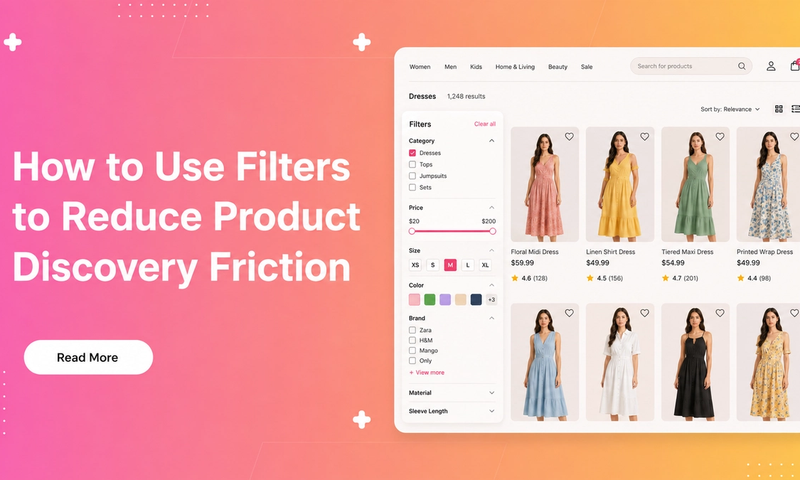
  • Advanced filters
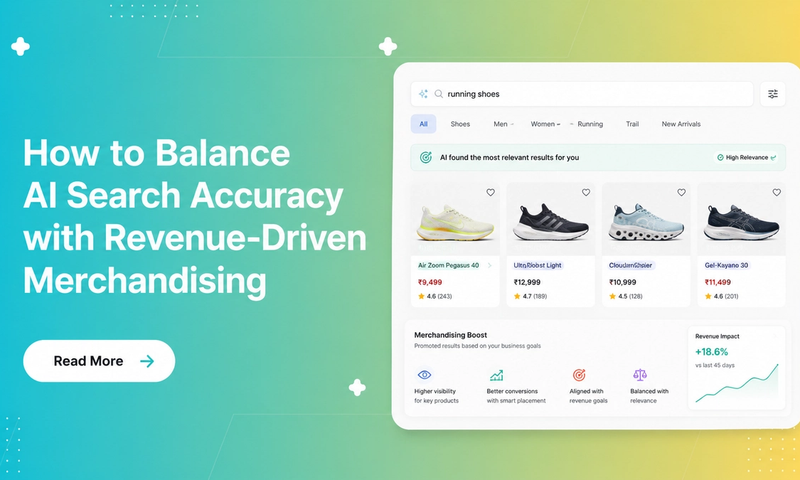
  • Merchandising controls

This means you’re not just helping users find products—you’re controlling what gets discovered and purchased.


Where it wins

  • Full discovery stack in one tool
  • Strong revenue impact (not just UX improvement)
  • Fast implementation

Where it struggles

  • Less infra-level flexibility vs developer tools

Bottom line

Best for brands that want search to drive revenue, not just results


2. Algolia AI Search

Best for: Enterprise-grade search infrastructure

What it does

  • Ultra-fast search
  • Full API control
  • Scales globally

Bottom line

Best for large teams with dev resources


3. Boost AI Search & Filter

Best for: Balanced search + filtering

What it does

  • AI search
  • Faceted filters
  • Merchandising

Bottom line

Strong mid-market solution


Category 2: Inventory Management (Profit Protection Layer)


4. EasyReplenish (or similar replenishment tools)

Best for: Demand forecasting + replenishment

What it actually does differently

  • Forecasts demand using historical sales
  • Suggests reorder quantities
  • Prevents stockouts and overstock

Where it wins

  • Direct impact on working capital
  • Reduces dead inventory

Where it struggles

  • Requires clean data for best accuracy

Bottom line

Critical for scaling brands managing inventory complexity


5. Stocky (by Shopify)

Best for: Shopify-native inventory management

What it does

  • Purchase order management
  • Inventory tracking
  • Basic forecasting

Bottom line

Good starting point for Shopify POS users


6. TradeGecko (QuickBooks Commerce)

Best for: Multi-channel inventory

What it does

  • Centralized inventory across channels
  • Order syncing
  • B2B features

Bottom line

Best for brands selling across multiple platforms


Category 3: POS & Omnichannel (Offline + Online Integration)


7. Shopify POS

Best for: Native retail integration

What it actually does differently

  • Unified online + offline inventory
  • In-store checkout
  • Customer profiles

Where it wins

  • Seamless Shopify integration
  • Easy to use

Where it struggles

  • Limited advanced retail features

Bottom line

Best for D2C brands with retail stores


8. Square POS

Best for: Retail-first businesses

What it does

  • Strong offline POS
  • Payment ecosystem
  • Inventory sync

Bottom line

Best for offline-heavy brands moving online


9. Lightspeed POS

Best for: Complex retail operations

What it does

  • Advanced inventory
  • Multi-location management
  • Retail analytics

Bottom line

Best for enterprise retail setups


Category 4: Merchandising & CRO (What Gets Seen = What Gets Sold)


10. Searchspring

Best for: Merchandising teams

What it actually does differently

  • Rule-based product ranking
  • Campaign-driven visibility

Bottom line

Best for manual control over product discovery


11. Nosto

Best for: AI merchandising + personalization

What it does

  • Dynamic product ranking
  • Personalized experiences

Bottom line

Best for automated merchandising at scale


12. Dynamic Yield

Best for: Enterprise experimentation

What it does

  • A/B testing
  • Personalization

Bottom line

Best for large teams optimizing every touchpoint


Category 5: Personalization & AOV Growth


13. Rebuy Personalization Engine

Best for: Revenue optimization

What it actually does differently

  • AI upsells
  • Smart cart
  • Checkout optimization

Bottom line

Best for maximizing AOV and LTV


14. LimeSpot AI Recommendations

Best for: Easy upselling

What it does

  • Bundles
  • Frequently bought together

Bottom line

Simple way to increase order value quickly


15. Glood AI Recommendations

Best for: Flexible recommendation engine

What it does

  • AI + manual recommendations
  • Deep customization

Bottom line

Best for control + flexibility


🔥 Final Decision Framework

If your biggest problem is:

  • Poor product discovery → Wizzy / Boost / Algolia
  • Inventory inefficiency → EasyReplenish / Stocky
  • Retail + online sync → Shopify POS / Lightspeed
  • Low conversions → Searchspring / Nosto
  • Low AOV → Rebuy / LimeSpot

Final Insight

Most Shopify stores think in tools.

High-performing brands think in systems:

  • Discovery → Search + Filters
  • Decision → Merchandising + UX
  • Revenue → Personalization + AOV
  • Operations → Inventory + POS

That’s what turns a Shopify store into a scalable revenue engine.

Share this article

Help others discover this content

Ready to Transform Your E-commerce?

See Wizzy.ai in action with a personalized demo tailored to your business needs

Request Your Demo

"Wizzy.ai increased our conversion rate by 45% in just 3 months. The AI search is incredibly accurate."

Sarah

VP of E-commerce