How to Turn Search Into a Guided Shopping Experience
Search should do more than return products. It should help shoppers move from a vague idea to a confident purchase with less effort, fewer dead ends, and better results. When search behaves like a guided shopping experience, it becomes one of the most valuable conversion tools on your ecommerce site
Search should do more than return products. It should help shoppers move from a vague idea to a confident purchase with less effort, fewer dead ends, and better results. When search behaves like a guided shopping experience, it becomes one of the most valuable conversion tools on your ecommerce site.
Most stores still treat search like a simple lookup box. A shopper types a query, the system returns results, and the job is done. But modern shoppers expect more. They want help narrowing choices, understanding options, and finding the right product faster. That is why guided search is becoming a critical part of ecommerce strategy.
What Guided Shopping Means
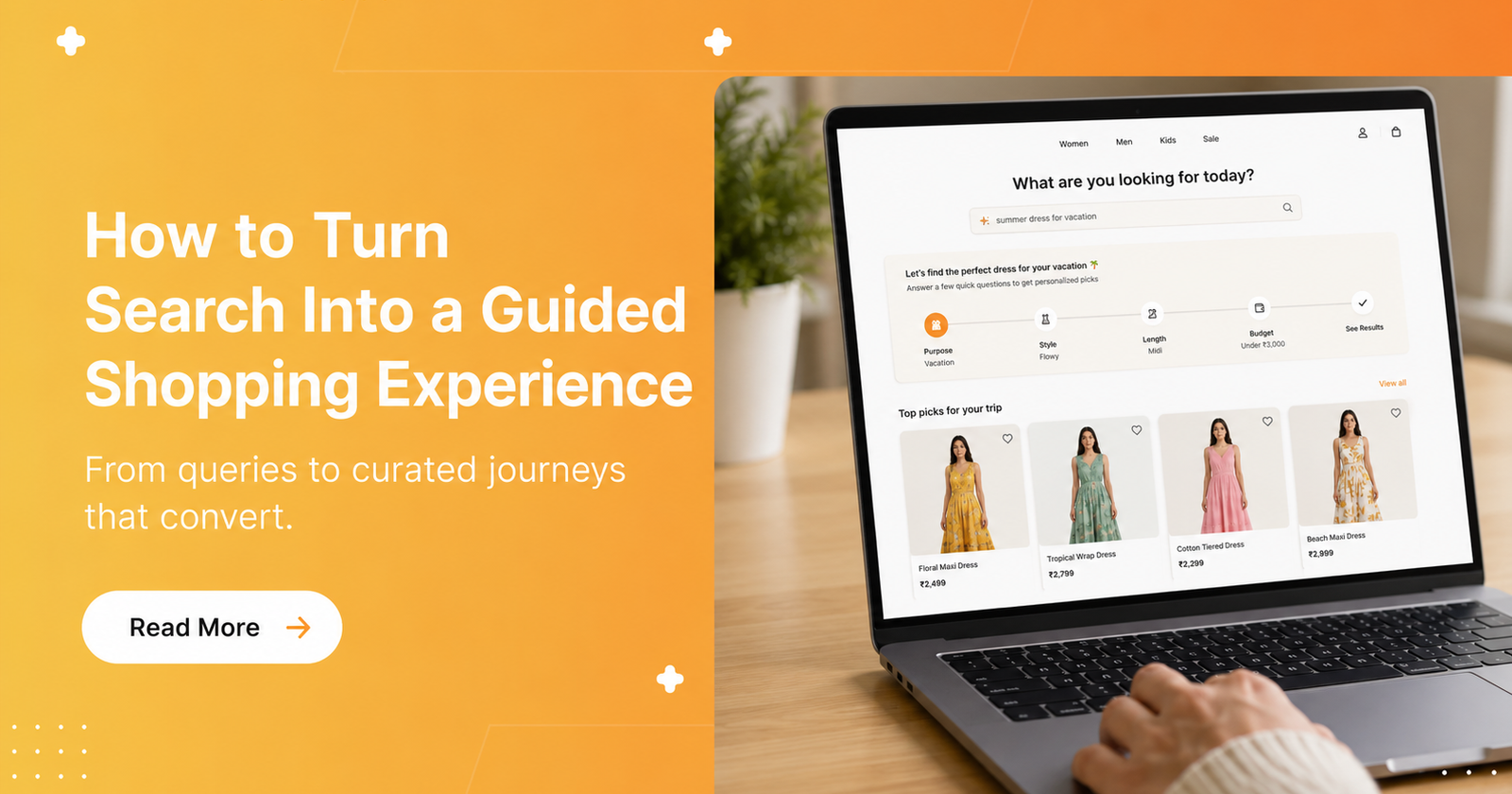
A guided shopping experience uses search to lead the customer through discovery instead of simply matching keywords. It combines intent understanding, filters, recommendations, smart ranking, and follow-up logic to make shopping feel easier and more personal.
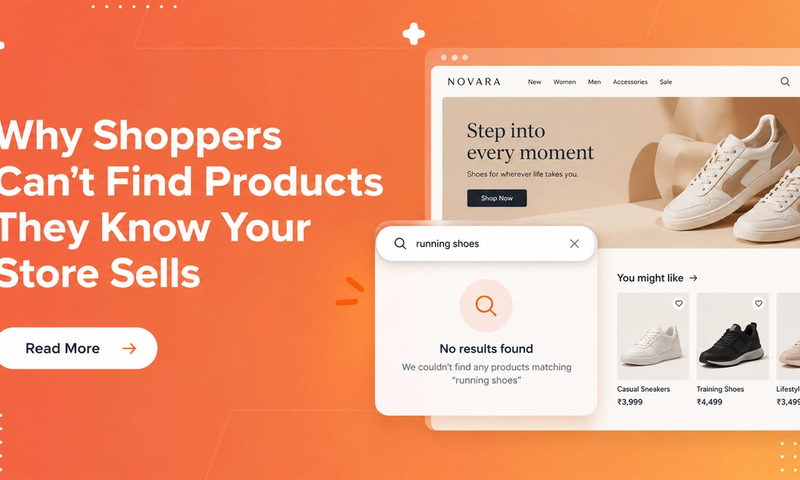
Instead of showing a flat list of results, guided search helps shoppers refine what they want. If someone types “running shoes,” the experience can surface relevant categories, best sellers, filters like size and terrain, and related products that match the user’s intent. If someone types “gift for sister,” the system can interpret the use case and guide them toward curated options.
The goal is not to make search more complicated. The goal is to make it more useful.
Why Search Needs to Guide, Not Just Match
Keyword search works best when the shopper already knows the exact product name. But most ecommerce users do not search that way. They search by problem, occasion, style, budget, or inspiration.
That creates a gap between what the shopper types and what the catalog understands. If the store only matches exact words, it often misses the real intent behind the query. Guided search solves that by helping the shopper shape the request as they go.
This matters because product discovery is often where conversions are won or lost. If shoppers cannot quickly narrow down their options, they leave. If the store helps them make sense of the catalog, they stay engaged longer and are more likely to buy.
What a Guided Search Experience Looks Like
A guided shopping experience usually has several layers.
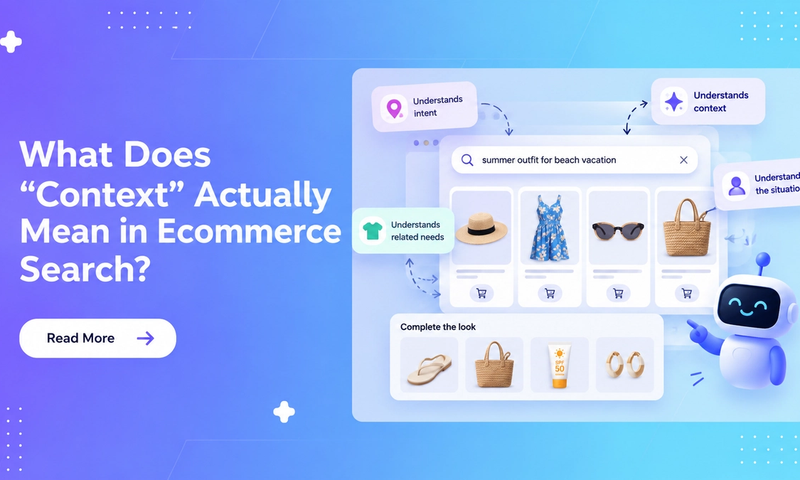
First, it understands intent. That means it recognizes whether the shopper is looking for a specific item, comparing options, browsing by style, or trying to solve a problem.
Second, it responds with more than product cards. It may surface categories, filters, recommendations, styling suggestions, or best sellers that match the query.
Third, it helps the shopper refine their direction. This can happen through smart filters, suggested follow-up queries, or AI-driven prompts such as “Do you want more formal options?” or “Should we show items under a certain price?”
Fourth, it adapts to behavior. If the shopper clicks a specific type of product, the system can use that signal to guide future results.
The Role of Intent Understanding
Intent is the foundation of guided search. If the system cannot understand what the shopper wants, it cannot guide them well.
There are a few common intent types:
- Product-specific intent.
- Category intent.
- Problem-solving intent.
- Style or inspiration intent.
- Gift or occasion intent.
A shopper searching for “black Nike trainers size 9” is showing product-specific intent. Someone searching for “what to wear to a beach wedding” is showing occasion intent. A shopper searching “best shoes for standing all day” is expressing a problem. Each one needs a different kind of response.
When your search engine can distinguish between these cases, it can guide the shopper more intelligently.
Use Filters as Part of the Journey
Filters are one of the most important tools in guided shopping. They help shoppers reduce the number of choices without overwhelming them.
Instead of showing every possible filter at once, a guided experience highlights the most relevant ones first. For fashion, that may mean size, color, fit, occasion, and price. For electronics, it may mean brand, storage, screen size, battery life, or compatibility.
The best filter systems do not feel static. They adapt based on the query. If a shopper searches “wedding guest dress,” filters like occasion, color, and fabric should be emphasized. If they search “office chair,” filters like lumbar support, material, and adjustability should come forward.
This makes the search page feel more like an assistant than a results page.
Smart Ranking Makes Guidance Better
A guided search experience is not just about showing the right products. It is also about ranking them well.
The system should know when to surface best sellers, highly rated products, in-stock items, or high-margin products. It should also know when exact matches matter more than promotional boosts. That balance is important because a guided experience has to feel helpful, not manipulative.
If the shopper types something specific, the closest match should come first. If the query is broad, the system can introduce best sellers, popular products, or curated recommendations to help narrow the choice.
Smart ranking gives the shopper a sense that the store understands what matters most.
Add Curated Recommendations
One of the easiest ways to turn search into a guided experience is to add curated recommendations alongside search results.
For example, if a shopper searches for “formal shirts,” the page can show not only products but also links to related categories, style guides, or best-selling collections. If someone searches for “birthday gift for mom,” the experience can include price-based gift suggestions, trending picks, and complementary items.
These recommendations work because they reduce decision fatigue. Shoppers do not always want to start from a blank slate. Sometimes they need a little direction.
Use Conversational Logic
Guided shopping becomes even stronger when it feels conversational. Instead of forcing the shopper to guess the right filter combination, the system can ask follow-up questions or present helpful prompts.
For example:
- Do you want more casual or formal options?
- Should we show products under a specific price?
- Are you shopping for yourself or as a gift?
- Would you like similar items in different colors?
This kind of interaction makes the experience feel more natural. It also helps the store collect more useful context without making the user do all the work.
Conversational logic is especially powerful on mobile, where users often want fast answers and minimal typing.
Why Product Data Quality Matters
Guided search is only as smart as the product data behind it. If product titles, descriptions, attributes, and tags are incomplete or inconsistent, the system cannot guide shoppers effectively.
Good product data makes it easier to:
- Match relevant queries.
- Surface the right filters.
- Rank items properly.
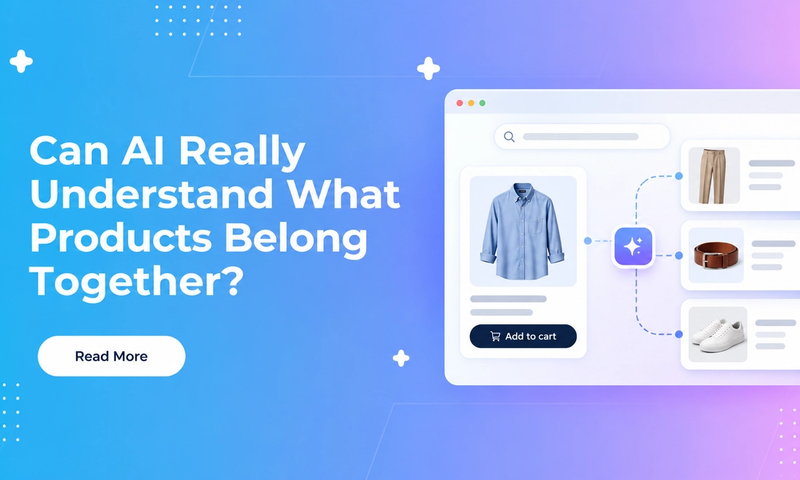
- Recommend similar products.
- Handle synonyms and variations.
If the catalog is missing key attributes such as color, material, size, occasion, or compatibility, the guided experience will feel weak. This is why data enrichment is such an important part of search strategy.
How to Measure Whether It Is Working
To know whether search is becoming more guided, track metrics that go beyond impressions.
Look at:
- Search-to-click rate.
- Search-to-filter rate.
- Search-to-cart rate.
- Search-to-purchase rate.
- Zero-result rate.
- Query refinement rate.
- Exit rate after search.
- Average number of clicks to purchase.
If guided search is working well, shoppers should need fewer steps to find what they want. You should also see lower abandonment from broad or vague queries and stronger engagement from high-intent ones.
Common Mistakes to Avoid
One common mistake is making the experience too crowded. If search results include too many prompts, recommendations, and filter options, the page becomes noisy instead of helpful.
Another mistake is treating all queries the same. A branded product query should not be handled the same way as a gift-search query or a style-based query.
A third mistake is ignoring mobile UX. Guided search has to work especially well on small screens where attention spans are shorter and navigation is harder.
Finally, some stores forget to connect search with merchandising. If the guided experience does not support business goals like revenue, inventory health, and category performance, it is only half useful.
A Practical Framework for Turning Search Into Guidance
You can think of guided shopping in four steps:
- Understand the query.
- Present the most relevant products and refinement options.
- Help the shopper narrow the decision.
- Track the outcome and improve the experience.
This framework works because it mirrors how people actually shop. They start with a rough need, look for direction, compare options, and then make a decision. Search should support that path.
Final Thought
Turning search into a guided shopping experience is one of the smartest ways to improve ecommerce discovery. It helps shoppers move from intent to purchase with less friction and more confidence.
The best search experiences do not just answer a query. They guide the shopper toward the right next step. That is what makes them powerful.